
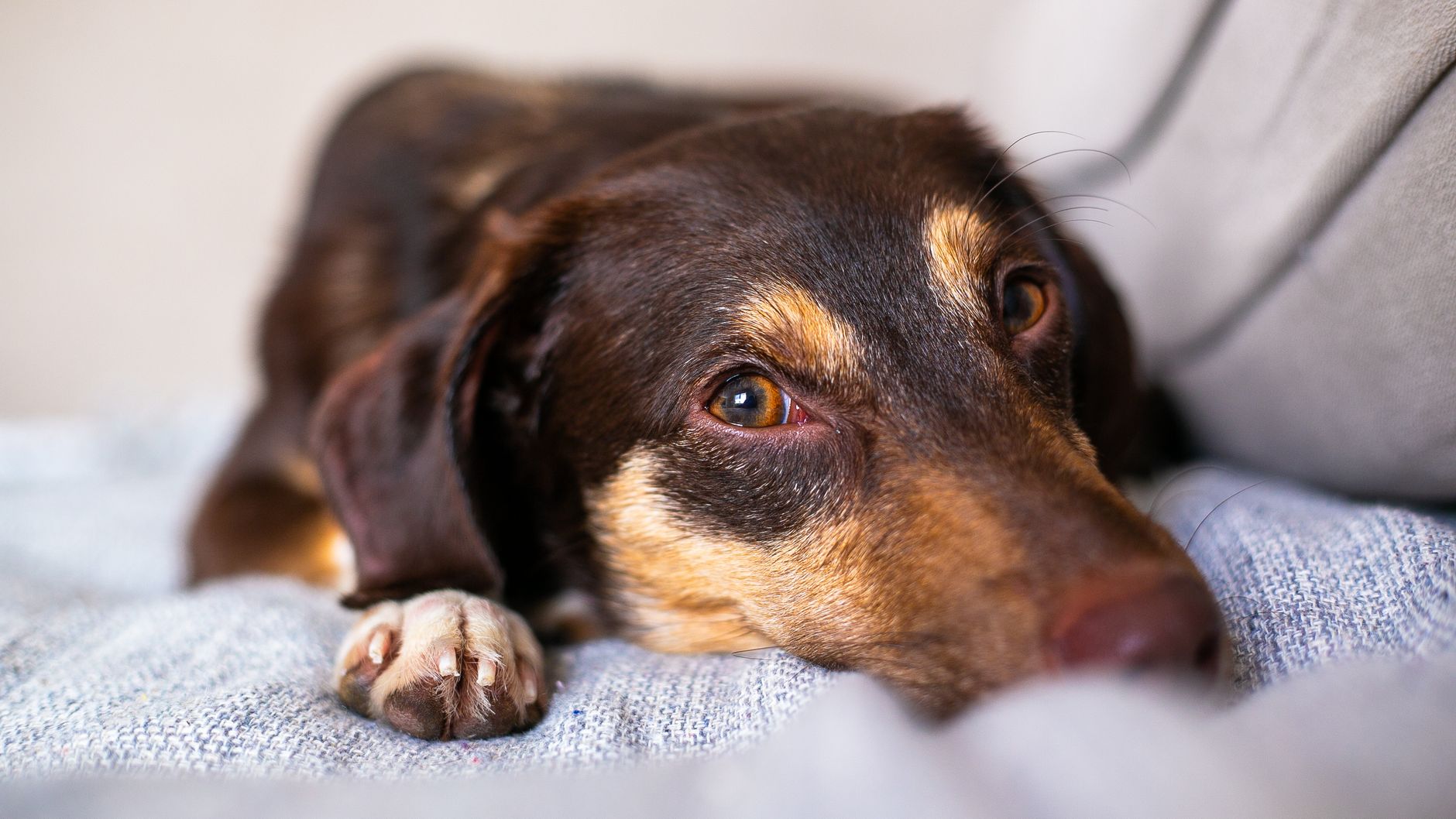
Leptospirosis is a bacterial infection spread in the urine of rats and wildlife, and it survives in cool, shaded standing water. Dogs pick it up by drinking from or wading through puddles and ditches. Signs usually appear within about two weeks: fever, low energy, vomiting, and changes in drinking or urinating. Vaccination is the best protection.
Why the wet season changes the risk
From October onward, Vic West stops draining properly. Puddles sit for days along the Galloping Goose, water pools at the low points of Banfield Park, and the ditches and gutters along the residential streets hold shallow water between one rainfall and the next. For most of the year this is just mud. In the wet season it becomes the one environment where Leptospira bacteria can survive outside an animal.
These bacteria are shed in urine. Rats are the main source in an urban neighbourhood like ours, but raccoons, skunks and deer all carry and shed them too, and all three move through Vic West yards and green space, mostly around dawn and dusk. A rat urinates in a sheltered puddle beside a shed. The bacteria do not die off, because the water is standing, shaded and above freezing. Your dog comes past the next morning and takes a drink.
That is the whole chain. It does not require a farm, a lake or a trip out of town. It requires a puddle that has been there a while and a wild animal that has been there too.
What survives, and what does not
This is worth knowing because it tells you which water to care about. Leptospira need moisture, moderate temperature and shade. They are killed quickly by drying out and by direct sunlight, and they survive poorly in freezing conditions and in salt water.
So the harbour side of the neighbourhood carries much less of this risk. The Songhees walkway, the Inner Harbour, the shoreline at the foot of the trail: salt water is hostile to these bacteria and they do not persist well in it. That is not a reason to let your dog drink down there, because the paved walkway holds its own fresh rain puddles, but it does mean the salt water itself is not the hazard to plan around. The Gorge at Banfield is tidal salt water and behaves the same way; it is the shaded puddles on the way in that are worth steering around. What matters instead is the unglamorous fresh water. Shaded trail puddles. Standing water in a ditch. A forgotten rain barrel, a plant saucer, a wheelbarrow holding rainwater, a blocked gutter, the tray under an outdoor tap. The slow-moving fresh water in a drainage channel is a better place for these bacteria than a fast stream, because current and dilution work against them.
The counterintuitive part is that a hard frost or a long dry spell cleans things up, while two mild, grey, drizzly weeks of the kind Victoria does so well keeps the risk running.
How dogs become infected
The bacteria get in through the soft linings of the mouth, nose and eyes, or through a cut or scrape in the skin. Three ordinary things do it:
- Drinking from a puddle, ditch or slow stream on a walk.
- Wading or swimming in standing fresh water, especially with a scratch or a sore pad.
- Direct contact with wildlife urine, including sniffing and licking a spot where a rat has been, or around a compost bin, bird feeder or woodpile where rodents gather.
Dogs who hunt, dig, roam off leash or just drink from anything they pass carry more risk than a dog who walks on a short leash and drinks at home. Size and breed do not protect. Small city dogs get this.
The signs, and the order they tend to come in
After exposure there is usually a quiet gap, most often around a week but anywhere inside about two weeks. Then it starts, and it rarely announces itself as anything specific:
- Fever, shivering, and a dog who is suddenly flat and uninterested.
- Off food. Vomiting. Sometimes loose stool.
- Muscle soreness and stiffness. Some dogs are reluctant to move, tuck up, or object to being picked up.
- A change in drinking and urinating. Early on, much more of both. Later, and more worrying, very little urine or none.
- Yellow tinge to the gums, the whites of the eyes or the skin inside the ears.
- In some dogs, bleeding that does not fit anything: nosebleeds, pinpoint bruising, blood in vomit or stool.
- Fast or laboured breathing, or a cough bringing up pink or blood-tinged froth. That one is an emergency on its own.
The reason this matters is that the infection goes after the kidneys and the liver, and in severe cases the lungs. A dog who has stopped producing urine is in acute kidney failure, and a yellow dog is in liver trouble. Neither of those waits politely until Monday. If your dog is flat, vomiting, sore and off food in the wet season and has been anywhere near standing water, say so when you call. It changes what we look for.
Early recognition is the whole game here, and confirming it takes blood and urine work rather than a look across the examination room, so our pet diagnostics come into it quickly. You can read more about what we offer on our pet diagnostics page.
The part people are not told often enough: this one spreads to you
Leptospirosis is transmissible to humans. Not commonly, and not casually, but genuinely. People catch it the same way dogs do, through contact with infected urine getting onto broken skin or into the mouth, nose or eyes.
So if your dog is unwell and urinating in the house, or you are nursing a dog recovering from this, handle it properly. Wear disposable gloves to clean up. Use a household disinfectant on the floor rather than just water. Wash your hands afterwards even though you wore gloves. Keep children away from the clean-up. Do not let other household pets investigate the spot.
None of this is cause for panic, and it is not a reason to avoid caring for your own dog. It is a reason to use gloves and bleach instead of a dish cloth.
Prevention, in order of how much difference it makes
The vaccine. This is the single most effective thing available, and it is the reason leptospirosis is less common than it could be. It covers several of the strains dogs actually meet. Dogs who have not had it before need an initial series a few weeks apart before they are properly covered, and then a yearly booster to stay that way. It is not an absolute guarantee, because there are strains it does not include, but vaccinated dogs who do get infected tend to get far less ill. If your dog walks the Goose, swims, hikes, or lives anywhere near water or rodents, this belongs on their record. Worth asking about at the next visit.
Control the water at home. This costs nothing. Tip out anything holding rainwater: saucers, buckets, wheelbarrows, old plant pots, the tray under the barbecue. Clear blocked gutters and drains. Cover the rain barrel. Refresh the outdoor water bowl daily rather than topping it up, because a bowl left standing for a week is the same habitat as a puddle.
Make your property less attractive to rodents. Rats are the source. Secure compost, keep bird seed in sealed containers and sweep up what drops underneath the feeder, keep pet food indoors, tidy woodpiles away from the house. This is worth doing without rodent bait, which brings its own serious hazard for dogs.
Change the walk slightly. Bring water and offer it, so your dog has a better option than the ditch. Keep them out of standing fresh water, particularly if they have a cut pad or a hot spot. Use the leash past the wet low-lying stretches of trail. None of this means avoiding the Goose in winter, which would be a miserable trade. It means not letting your dog drink from it.
If you want the rest of the cold months covered, our winter care tips for dogs and cats in Victoria BC run through the other seasonal hazards worth knowing about.
When to come in, and what to do when we are closed
Call us the same day if your dog is lethargic and off food with a fever, is vomiting repeatedly, is sore and stiff for no reason, or you notice a change in how much they are drinking or urinating. Come in straight away, without waiting, if your dog has produced no urine, looks yellow, is bleeding from anywhere, is breathing fast or with obvious effort, or is collapsing. That is what our urgent care is for, and our urgent care page explains how we handle same-day cases. Follow-up care once a dog is through the worst of it sits with our medical services.
Please note our hours, because this matters with an infection that moves this quickly. We close at 6:00 pm, we close daily from 1:00 pm to 1:30 pm, we are closed all day Sunday, and we are closed on statutory holidays. A dog in kidney failure cannot wait for us to reopen. If your dog is seriously unwell on a Sunday, on a holiday, or in the evening after we close, go directly to an open emergency veterinary hospital and phone ahead so they are expecting you. Taking a sick dog to a closed door costs hours you do not have.
Common questions
Can my cat catch leptospirosis?
Cats are very rarely affected. They can be exposed and can carry the bacteria, but they almost never become visibly ill the way dogs do, and cats are not considered an important source of infection for people. If you have a cat and a dog, the dog is who needs the vaccine.
My dog only walks on the street. Do we still need to worry?
Yes, a little. This is an urban infection as much as a rural one, because rats are an urban animal. A dog who drinks from the gutter outside a restaurant bin has had a more meaningful exposure than a dog who swims in clean moving water. Street walking lowers the risk but does not remove it.
Is it too late to vaccinate if the rain has already started?
No. The wet season runs through to spring here, so there are months of exposure still ahead. A dog starting the series in October is well covered for most of the risk period. Starting now is far better than waiting for next autumn.
My dog drank from a puddle yesterday. What should I do?
Nothing dramatic, but make a note of the date. Most puddles are harmless and most exposures come to nothing. What matters is that if your dog becomes unwell in the next two weeks, you tell us about the puddle. That single piece of history moves leptospirosis up the list of things we check for, and it saves time.
If my dog recovers, are they immune?
Not reliably. Recovering from one strain does not protect against the others, and some dogs continue shedding bacteria in their urine for a period afterwards, which is why hygiene at home still matters during recovery. Dogs who have had leptospirosis are still vaccinated afterwards.
Does boiling or filtering matter for the water I bring on walks?
Tap water from home is fine. The risk is not in your tap, it is in the standing water outdoors. The useful habit is simply carrying water so your dog is not thirsty enough to choose the ditch.
Speak to the team at Vic West Pet Hospital
If your dog is flat, off food, sore, vomiting or urinating differently, or you would like to get the leptospirosis vaccine onto their record before the wet months really set in, call us. We are closed Sunday and on statutory holidays, we close daily from 1:00 pm to 1:30 pm, and we close at 6:00 pm the rest of the week, so outside those hours please go to an open emergency veterinary hospital and call ahead before you leave.
Published by the team at Vic West Pet Hospital.
This article is educational in nature and is not a replacement for hands-on assessment of your own pet by a veterinarian.
Vic West Pet Hospital
526 Esquimalt Rd, Victoria, BC V9A 3L4
Phone: (778) 265-4500
Email: reception.vwph@gmail.com
Hours: Monday 9:00 am to 6:00 pm; Tuesday to Friday 8:00 am to 6:00 pm; Saturday 9:00 am to 6:00 pm; closed daily 1:00 pm to 1:30 pm; closed Sunday and statutory holidays