
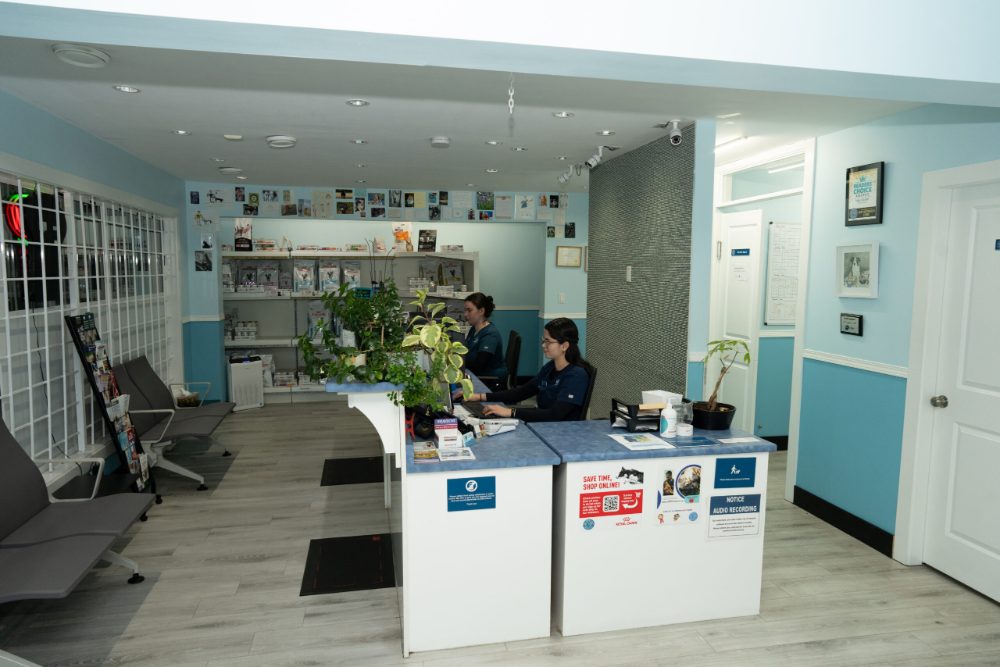
Pet Care Services for Dogs and Cats in Victoria
Routine pet care is the appointment that never feels urgent at the time and matters most in hindsight. A dog who has put on two kilograms since last spring, a cat whose gums have started to redden, a heart sound that was not there a year ago: none of these announce themselves at home. Dogs and cats age several years for every one of ours, so the gap between visits is longer than it feels.
Our individualized wellness plans track your pet’s health over time and catch concerns before they become serious.
Wellness Exams for Dogs and Cats in Victoria
A wellness exam combines a full physical check with a conversation about daily life at home. You see your dog or cat every day, and a change in drinking, sleeping, appetite or willingness to jump onto the sofa often tells us as much as anything we can measure.
We record a body condition score at every visit, so weight is tracked properly across the years rather than guessed at.
Comprehensive exams
- Nose-to-tail physical examination
- Weight and nutrition counselling
- Behavioural assessment
Vaccinations, Parasite Control and Microchipping
Core and lifestyle vaccinations
Core vaccines are recommended for nearly every dog and cat. Lifestyle vaccines depend on how your pet actually lives, so we build each booster schedule from a short risk assessment. A dog who hikes Island trails and boards twice a year needs different protection from one who walks the same Vic West block.
Keep records current: boarding kennels, groomers and international travel all ask for them.
Parasite control
- Flea, tick, and heartworm prevention
- Deworming programs
Microchipping
A microchip is a permanent form of identification placed under the skin between the shoulder blades during a routine visit. Collars slip and tags wear smooth, so a registered chip is the most reliable route home for a lost pet.
Update your registration whenever you move or change phone numbers, and let us know so our record matches.
Care from First Visit to Senior Years
Puppies and kittens
Young animals need a series of visits rather than one appointment, generally starting between six and eight weeks and running to around sixteen weeks, with each visit building on the one before. Our puppy and kitten first-year guides set out the full schedule so you know what is coming and roughly when.
Senior pets
From around seven years old for most dogs, and a little later for many cats, the exam becomes a way of tracking what is slowly changing. Seeing seniors twice a year gives us two data points instead of one, which is the difference between noticing a trend and noticing a problem.
We pay close attention to weight, muscle over the spine and hind end, dental comfort, mobility, water intake, stairs and jumping, litter box habits and night-time restlessness.
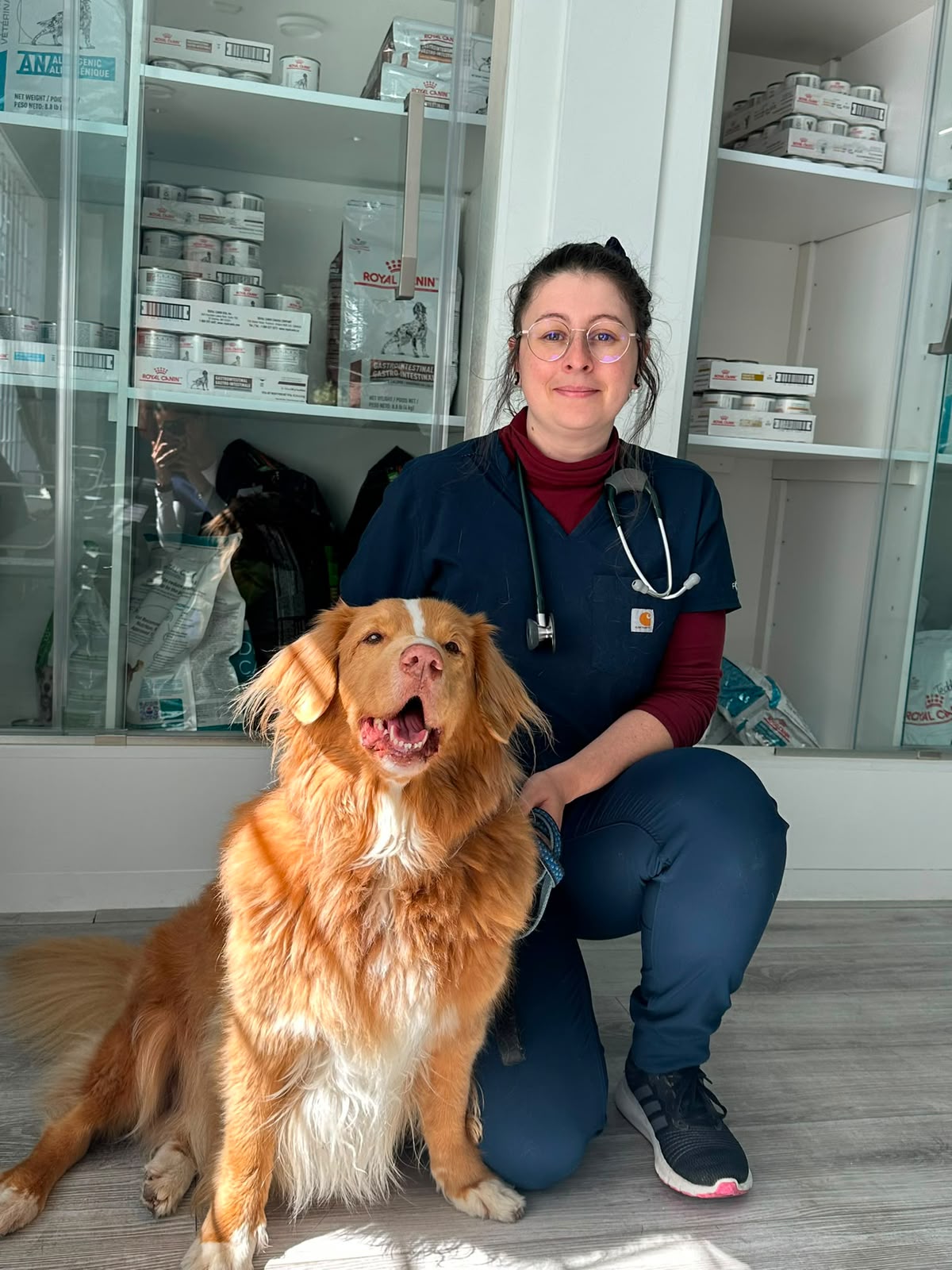
Separate Cat and Dog Exam Rooms
Our building has separate exam rooms for cats and dogs, and the cat rooms have heated exam tables. A cat who has spent twenty minutes hearing dogs through a wall arrives at the table already braced, and a braced cat gives a poorer exam.
A warm surface and a quieter room mean the heart rate we hear is closer to the real one and the whole appointment tends to be shorter. Dogs benefit too, with fewer frightened cats in the waiting area. Owners of anxious cats can ask reception about the quieter parts of our day when booking.
Ready to book your pet's visit?
Our AAHA-accredited team is here to provide the right care, at the right time, for every stage of your pet’s life.
FAQ
How often does my dog or cat need a wellness exam?
Does microchipping hurt, and does my pet need to be sedated?
My cat never goes outside. Does she still need routine visits?
Related Services & Resources
All veterinary services
Dental care for dogs and cats
Pet diagnostics and imaging
Puppy first-year guide
Kitten first-year guide
Reviewed by the Vic West Pet Hospital veterinary team. Last updated October 2026.