
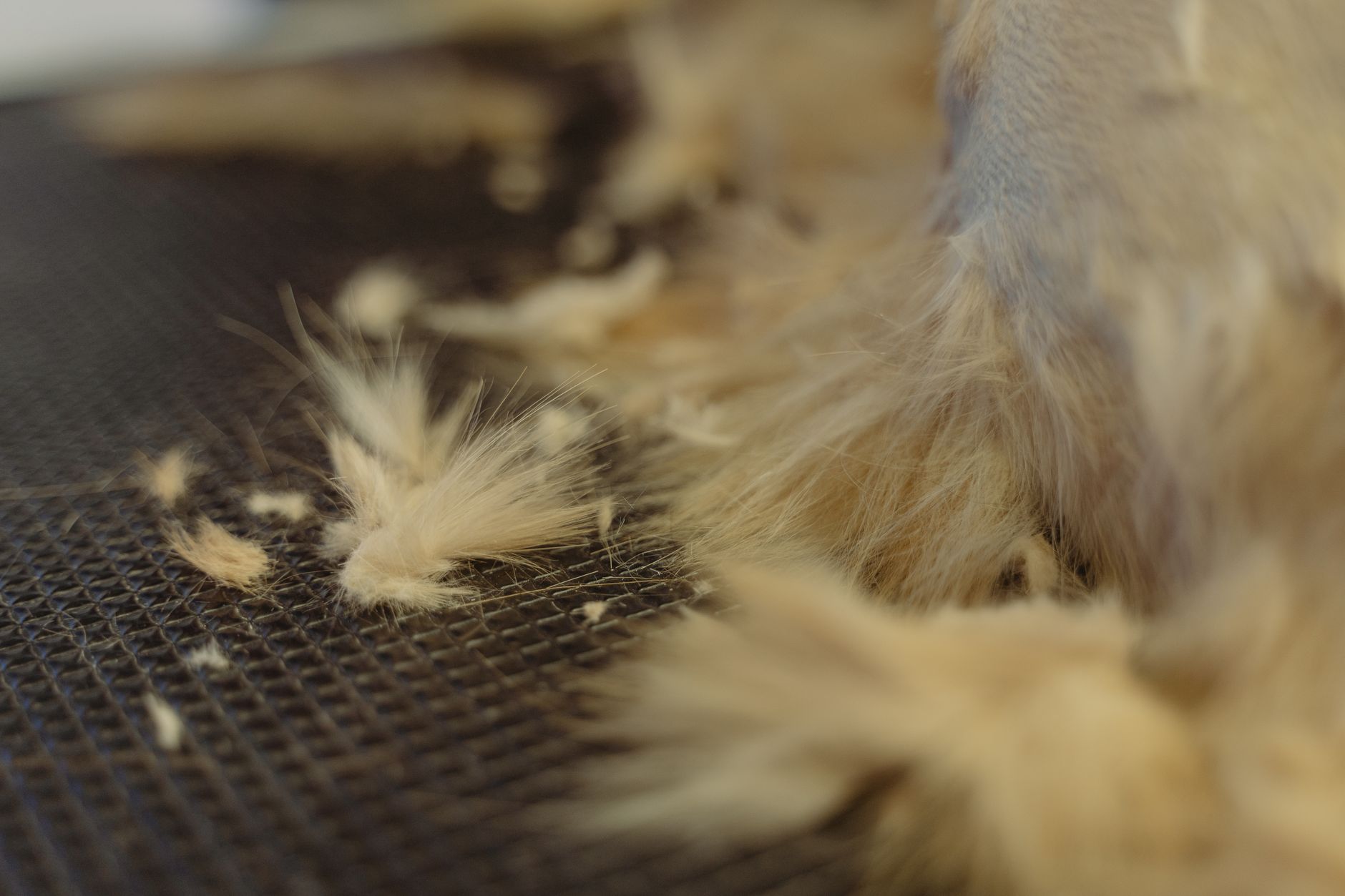
The traditional picture is two heavy sheds a year, one in spring and one in fall, triggered by changing daylight. Plenty of pets in Victoria do not follow it at all, and owners assume something is wrong. Usually nothing is wrong at all; indoor living has simply scrambled the signal the coat uses.
Why the seasons blur indoors
Coat turnover is driven more by day length than by temperature, and the signal is light reaching the eye. A pet who lives mostly indoors, under artificial light in the evenings and in a house held at a steady temperature all year, receives a much flatter version of that signal than one living outdoors.
The result is shedding spread thinly across the whole year rather than concentrated into two bursts. It looks like constant shedding, and it often feels like more hair than it is.
Double-coated breeds still tend to have recognizable heavy periods, and those can be dramatic. Short, single-coated dogs often shed steadily with no obvious peak at all.
Normal shedding, and the kind that is not
Normal is hair coming away evenly across the body, leaving a full coat underneath, with skin that looks ordinary and a pet who is not itchy.
Worth an appointment:
- Bald patches, or areas where the skin is visible rather than just thinner.
- Symmetrical loss on both sides, or along the flanks and tail, which is a pattern we want to look at rather than assume is shedding. Symmetrical flank loss can itself be a day-length pattern in an otherwise healthy dog; loss along the trunk and tail more often points at something internal.
- Red, flaky, greasy or smelly skin underneath.
- Itching, which puts this in a different category entirely: a pet who is scratching the hair out is not shedding.
- A coat that has changed texture for no obvious reason, gone dull, or stopped regrowing after a clip.
- Shedding plus anything else: weight change, drinking more, low energy, or heat-seeking behaviour.
That last group matters because a coat is a reasonable early indicator of how the rest of the animal is doing, and several internal conditions show up there before anywhere else.
What actually reduces the hair in the house
- Brushing, which is the main thing that works. Hair in the brush is hair not on the sofa. Very little else comes close.
- The right tool for the coat. An undercoat rake for a double coat, a slicker for medium coats, a rubber curry for short ones. Using the wrong one is why people conclude brushing does not work.
- Short sessions, often, beat a long session every couple of weeks, and the pet tolerates it far better.
- Brush to the skin, lifting the hair in sections, rather than skimming the top.
- A decent diet, which affects coat quality more than any supplement sold for the purpose.
- Keep parasite control going through winter. An itchy pet sheds more, and the itch is the thing to deal with.
What does not help: shaving a double-coated dog, which does not reduce shedding and can leave the coat regrowing patchily; and frequent bathing with an ordinary shampoo, which can dry the skin. If your pet is itchy, ask us before you change the bathing routine, because the product matters more than the frequency, and bathing is part of managing an itch rather than something to avoid.
Where we come in
Shedding that is even and healthy is a brushing question. Shedding with any of the signs above is a medical one, and the two look similar enough from the vacuum cleaner that it is worth checking.
Our medical services cover the examination of the skin and coat, and where the pattern suggests something internal, pet diagnostics is how we check rather than assume, since a blood sample answers a surprising amount here. Our pet care services include the weight and nutrition side of a coat, which is where diet actually shows. Nutrition counselling is worth raising if the coat quality itself is the concern.
Our hours
We are open Monday and Saturday from 9:00 am to 6:00 pm, and Tuesday to Friday from 8:00 am to 6:00 pm, with a daily closure from 1:00 pm to 1:30 pm. We are closed on Sundays and on statutory holidays.
Shedding is a routine appointment. A pet who is losing hair alongside being unwell, or whose skin is sore and open, should be seen rather than brushed. If something urgent happens when we are shut, including over our lunch closure, go to an open emergency hospital rather than waiting for us.
Common questions
Why is my dog shedding in December?
Indoor light spreads it across the year. On its own it is not a concern.
Do any supplements reduce shedding?
They can improve coat quality, which sometimes reduces breakage. They do not change how much a healthy coat turns over. Ask us before starting anything.
My cat is shedding far more than usual.
Worth mentioning, particularly in an older cat. A noticeable change in a cat’s coat or grooming is one of the more useful signals they give us.
Is a deshedding tool safe to use often?
Weekly is fine for most coats. Daily with a bladed tool can thin the coat and irritate skin, so go gently.
Will spaying or neutering change the coat?
It can change texture in some breeds. It is not a reason to avoid it, and it is worth knowing to expect.
Speak to the team at Vic West Pet Hospital
Part the coat and look at the skin underneath tonight. If it looks ordinary, buy a better brush; if it looks red, flaky or thin, book a visit.
Published by the team at Vic West Pet Hospital.
This article is for general educational purposes only and is not a substitute for an in-person veterinary examination or advice about your individual pet. If you have an urgent concern about your pet, contact Vic West Pet Hospital or your nearest emergency veterinary hospital right away.
Vic West Pet Hospital
526 Esquimalt Road, Victoria, BC V9A 3L4
Phone: (778) 265-4500
Hours: Monday and Saturday 9:00 am to 6:00 pm; Tuesday to Friday 8:00 am to 6:00 pm; daily closure 1:00 pm to 1:30 pm; closed Sundays and statutory holidays